Cast-Iron Drains in Older Miami Homes
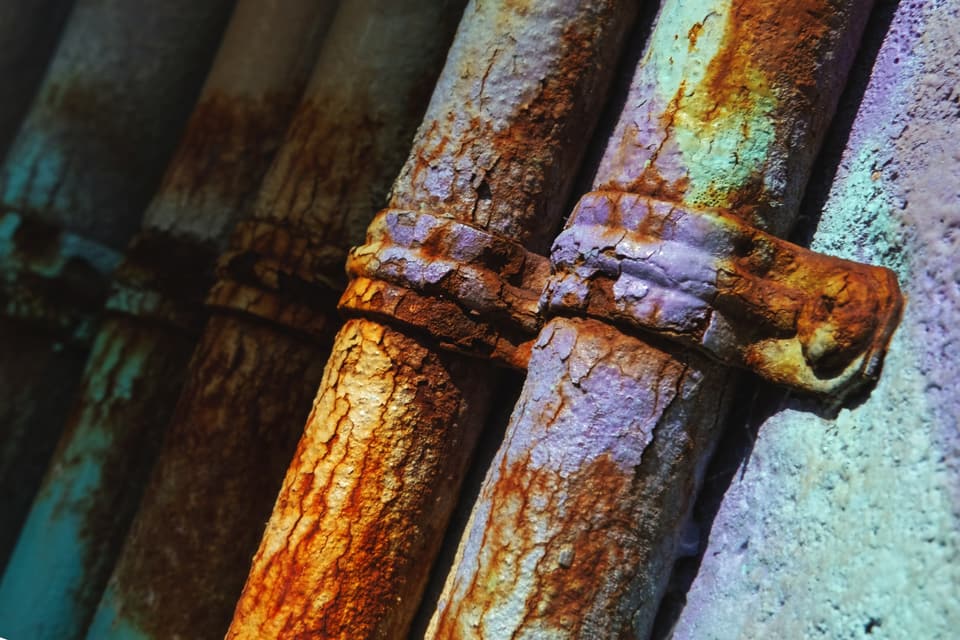
Which houses have it
If a Miami house or small apartment building went up before about 1975 and nobody has replaced the drains, the lines under the slab are probably cast iron. That covers Shenandoah and much of Little Havana from the 1920s boom, and most of the postwar neighbourhoods filled in during the 1950s and 1960s: Allapattah, Flagami, Westchester, large parts of Hialeah, and older streets in Coral Gables and Miami Beach. PVC took over for residential drains through the 1970s. The Miami-Dade Property Appraiser's site gives the year built for every property; a permit history, if the city has one online, tells you whether anyone replaced the plumbing since.
Why it fails early in South Florida
Cast iron was sold on long lifespans, and in cooler, drier places some of it has lasted. Here it often does not. Sewer gases corrode the inside of the pipe, the warm, humid ground works on the outside, and the bottom of every horizontal run sits in water. Law firms and insurers argue over how early it fails, and the numbers they quote are partisan, but plumbers across South Florida agree on the pattern: the floor of the pipe rots through while the top still looks solid.
The signs, in rough order
Early
Drains that slow down more often than they used to. A gurgle from the tub when the toilet flushes. Rust-coloured flakes when a line is cleaned.
Middle
Recurring clogs in the main even after jetting. A sewer smell in a bathroom with nothing visibly wrong. Roaches appearing from drains, which in Miami is a well-known sign of a gap somewhere in the line.
Late
Cracked or sinking floor tile along the path of a drain. Wet, soft ground or a smell in the yard over the lateral. Sewage in the lowest shower during heavy rain.
Under contract on an older Miami house
Ask for a sewer camera inspection before the inspection period ends, run from the cleanout to the street and through the main branches under the house. It costs a few hundred dollars and it is the only way to see the pipe. Ask for the recording, not just a summary. If the line is failing, the price of lining or replacing it is a legitimate thing to negotiate. A seller's statement that the drains "work fine" means only that nothing is backed up today.
If you already own it
Nothing is gained by waiting for a collapse. Have the main scoped once, keep the recording, and decide on a plan: leave it and re-check in a few years, clean and descale it, line it, or replace it. Doing it on your schedule means you choose the method, the company and the month. Doing it after a backup means choosing in a flooded bathroom. If your insurer has asked about the drains on a four-point inspection, that footage is also what answers the question.
House from the 1950s and never had the drains looked at? Call to have the line scoped, and get the footage before anyone quotes a fix.
Where to go next
- Cast-iron drain and sewer line repair
- Drain cleaning and camera inspections
- Old pipes and four-point inspections
Common questions
Can cast iron be repaired without breaking the floor?
Often. Cured-in-place lining goes in through cleanouts and creates a new pipe inside the old one. It needs a line that can be cleaned and still holds its shape; a collapsed section has to be dug out.
Does every old house need its drains replaced?
No. Some lines are rough but sound and will last for years with occasional cleaning. A camera inspection is how you find out which you have.
Are cast-iron drains covered by insurance?
It depends on the policy and has been heavily litigated in Florida. Some policies cover access and resulting damage, some exclude corrosion. Read the wording or ask your agent before assuming.